July 6-10, 2026 - Bogotá, Colombia

Constitutional interpretation in emergencies – changing or stable interpretive practice?
Chairs
Zoltán Szente Szente.Zoltan@tk.hu
Fruzsina Gardos fruzsina.orosz@gmail.com / Orosz.Fruzsina@tk.hu
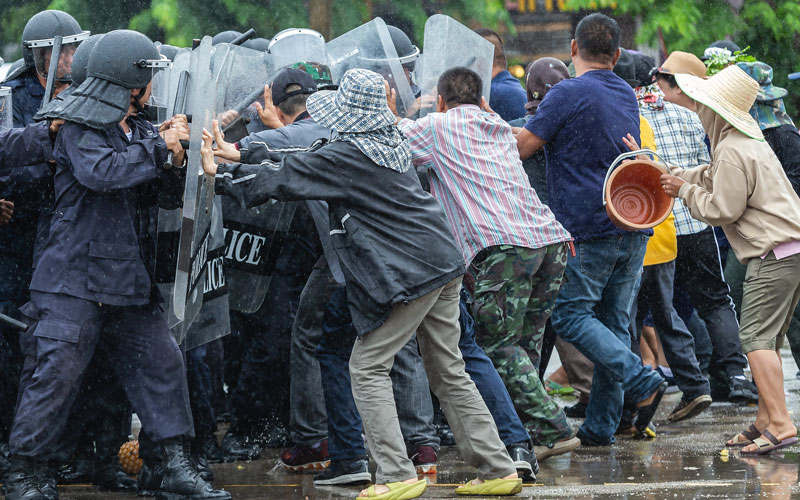
The aim of the workshop is to examine how emergencies impact the methodology and practice of constitutional interpretation.
There has been a vast and growing literature over the last two decades on the legal theory of emergencies, regulatory regimes, and the scientific assessment of exceptional powers and rights-restrictions. However, less attention has been paid to the constitutional review of emergency legislation, despite the fact that the issue has been raised time and time again from Ex parte Milligan, 71 U.S. (4 Wall.) 2 (1866) to Korematsu v. United States, 323 U.S. 214 (1944), from A v. Secretary of State for the Home Department [2004] UKHL (the Belmarsh case) to the “COVID-19 case law” of the European Court of Human Rights. The primary reason for this scholarly gap may be that (constitutional) courts have traditionally been deferential to the executive in dealing with a crisis in times of emergency, and, since judicial review usually reacts to legal challenges with some delay and after the events, it is difficult to access the relatively limited information needed for normative assessment or even for broader comparative analysis.
Submissions are encouraged from, but not limited to constitutional scholars and political scientists. The maximum length of abstracts is 3000 characters including spaces.