July 6-10, 2026 - Bogotá, Colombia

Rights of nature
Chairs
Gonçalo de Almeida Ribeiro gmvaribeiro@gmail.com garibeiro@ucp.pt
Yaffa Epstein yaffa.epstein@jur.uu.se
Elisa M. Martín Pér emartin@unab.edu.co
Felipe Clavijo Ospina felipe.clavijoospina@gmail.com
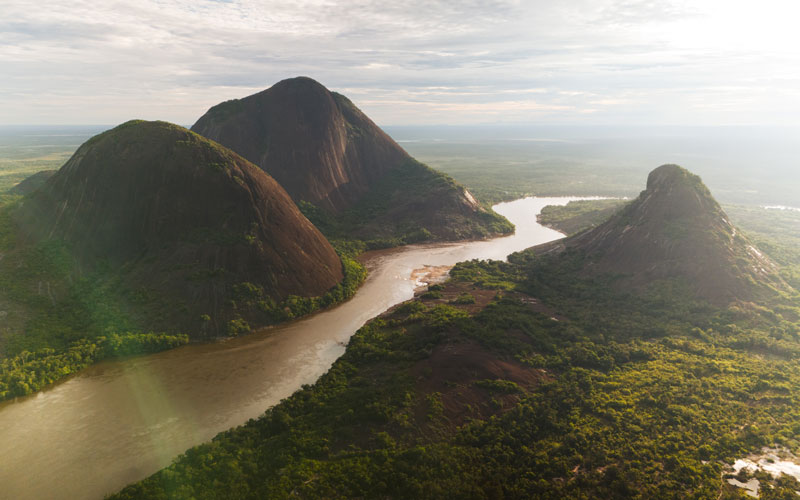
In light of Ecuador’s constitutional protection for nature’s rights, and laws and court decisions recognizing rights of nature in many other nations, there is a great deal of discussion about whether nature as a whole or particular natural entities — a mountain, a forest, a river, an endangered species etc. — can be bearers of rights and whether such rights are intrinsic (ascribed to nature for natural entities’ own sake) or conventional (a device to protect human interests and values).
From these basic questions others proceed:
- Ought the rights of nature be constitutionally entrenched?
- Are they subject to the general constitutional regime of fundamental rights?
- How are such rights to be legally exercised?
- What is the relationship between the rights of nature and environmental protection?
- What can we learn from comparative examination of the Latin American cases in Colombia, Argentina, Ecuador, and Peru, as well as in countries in Europe, Asia, North America, Africa, Oceania and even Antarctica? Have particular fundamental principles emerged?
- What is the impact or relevance of constitutionalizing rights of nature, in contrast with other types of rights of nature laws?
The workshop welcomes abstracts that address these and other questions related to this rather new field of inquiry.