July 6-10, 2026 - Bogotá, Colombia

Human Duties in the Human-centred World: Constitutionalism and
Private Actors
Constitutionalism has been built around two axes: Controlling power and ensuring the rights and freedoms of the people. Traditionally the constitution has been understood as a law that obligates only the state. However, today, at the most critical moment of the Anthropocene, this premise needs to be critically examined. In reality, it is not only the power of the state that needs to be controlled and kept in check, but also the power of the international financial system, transnational enterprises, and individuals.
Courts increasingly understand constitutions as creating obligations for private actors (horizontal effect). Some national governments legislate to oblige domestic and transnational companies to respect human rights according to the UN Guiding Principles on Business and Human Rights. In both its meanings, sustainable constitutionalism needs to address private entities, and may need to consider human duties in addition to rights.
Chairs
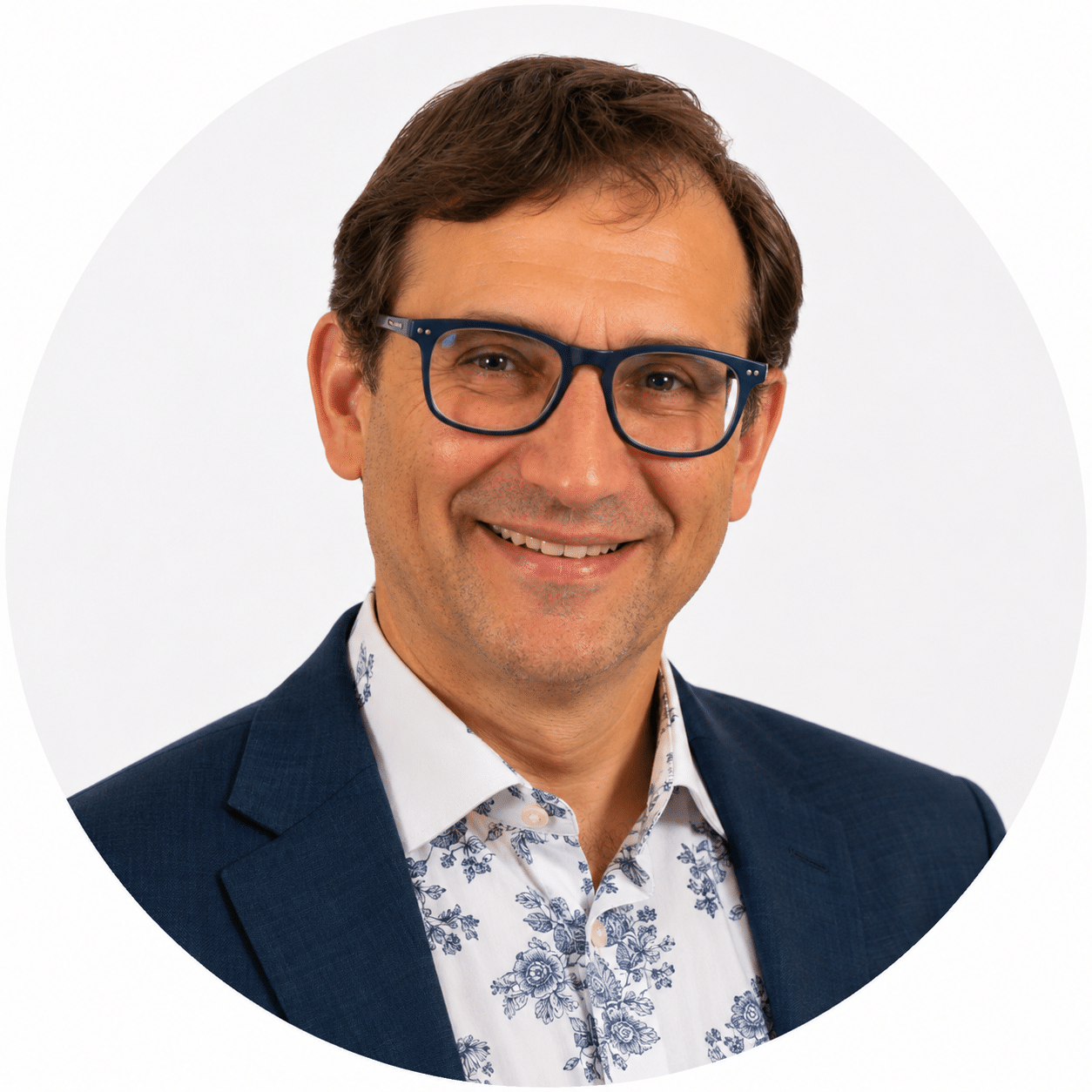
David Bilchitz
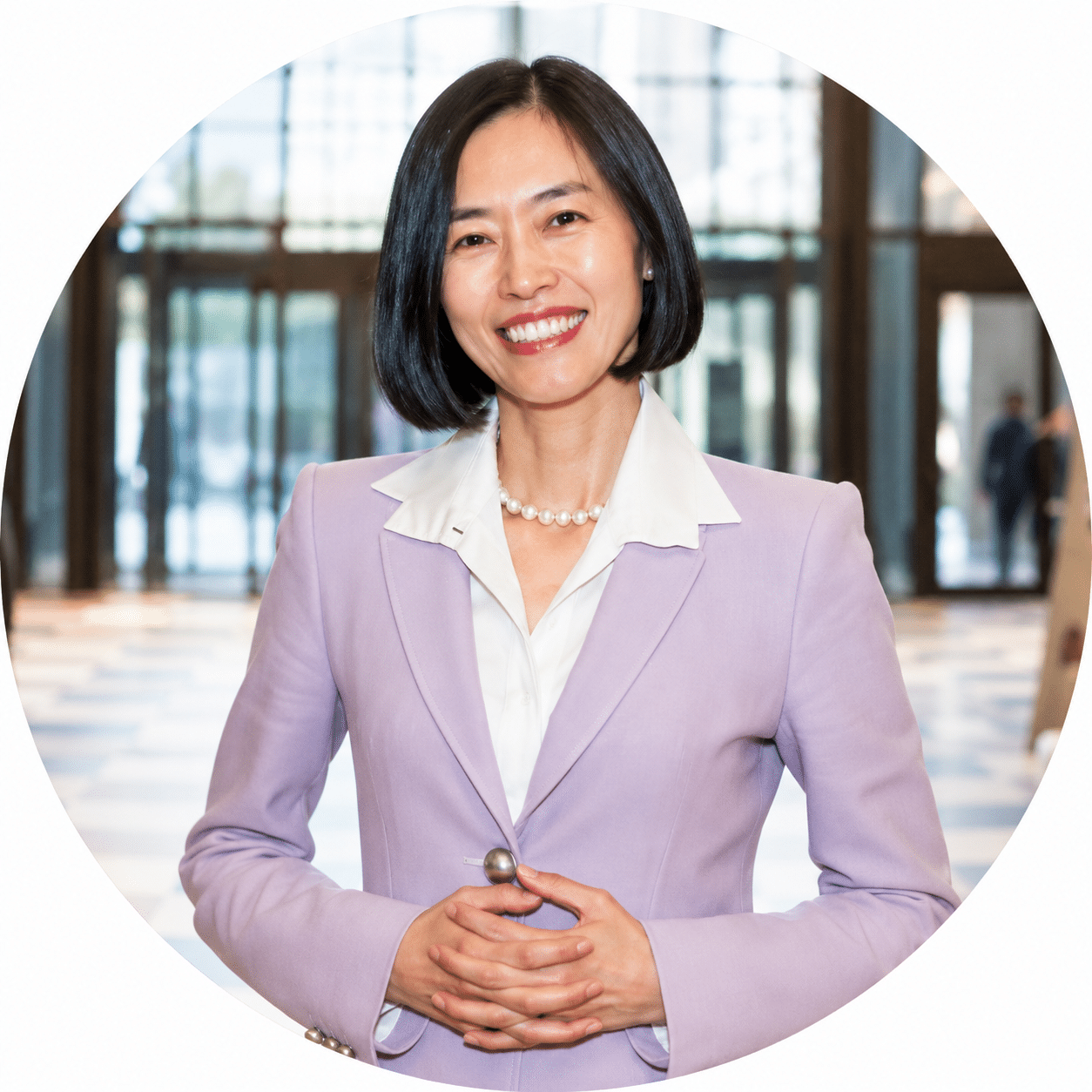
Akiko Ejima
Speakers
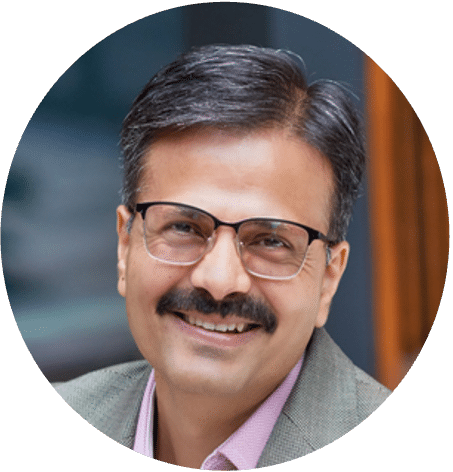
Surya Deva
United Nations Special Rapporteur on the Right to Development and Professor of Law and Business at Macquarie University Law School.

Melanie Murcott
Professor at University of Cape Town and specialist in climate justice and environmental administrative law.
Alexei Julio Estrada
Former Auxiliary Magistrate of the Constitutional Court of Colombia and Professor at Universidad Externado de Colombia.
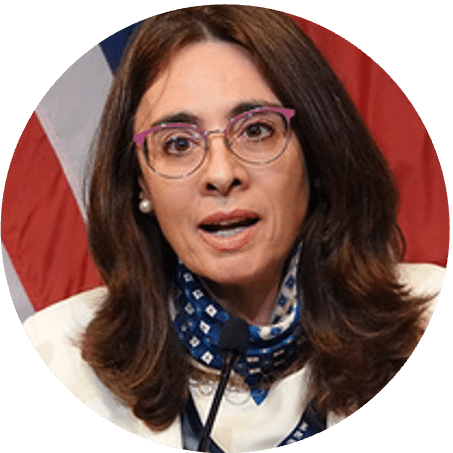
Catalina Botero
Co-Director of Columbia Global Freedom of Expression and former Special Rapporteur for Freedom of Expression of the Inter-American Commission on Human Rights (IACHR).